Gloss levels and which slabs polish well
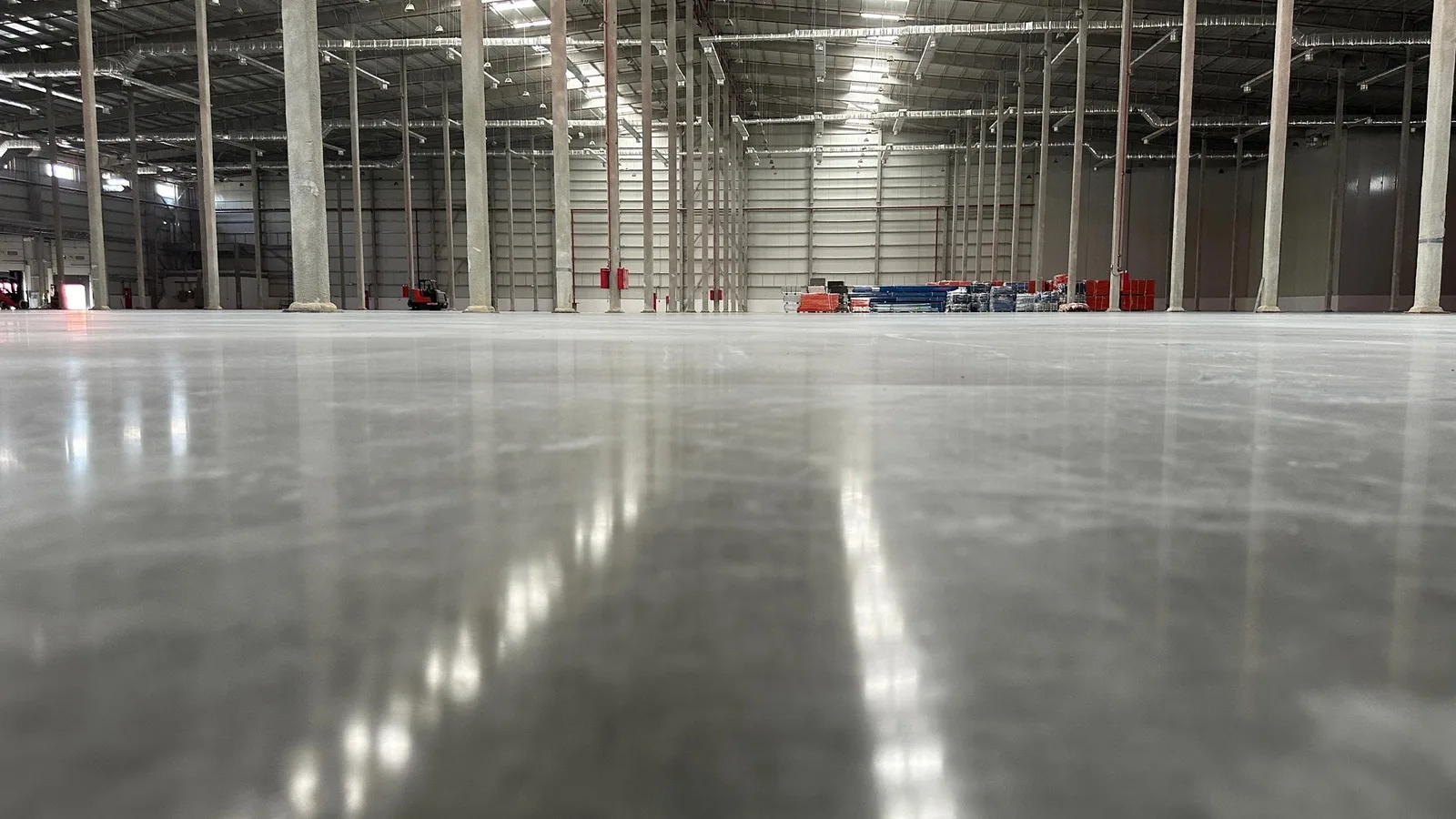
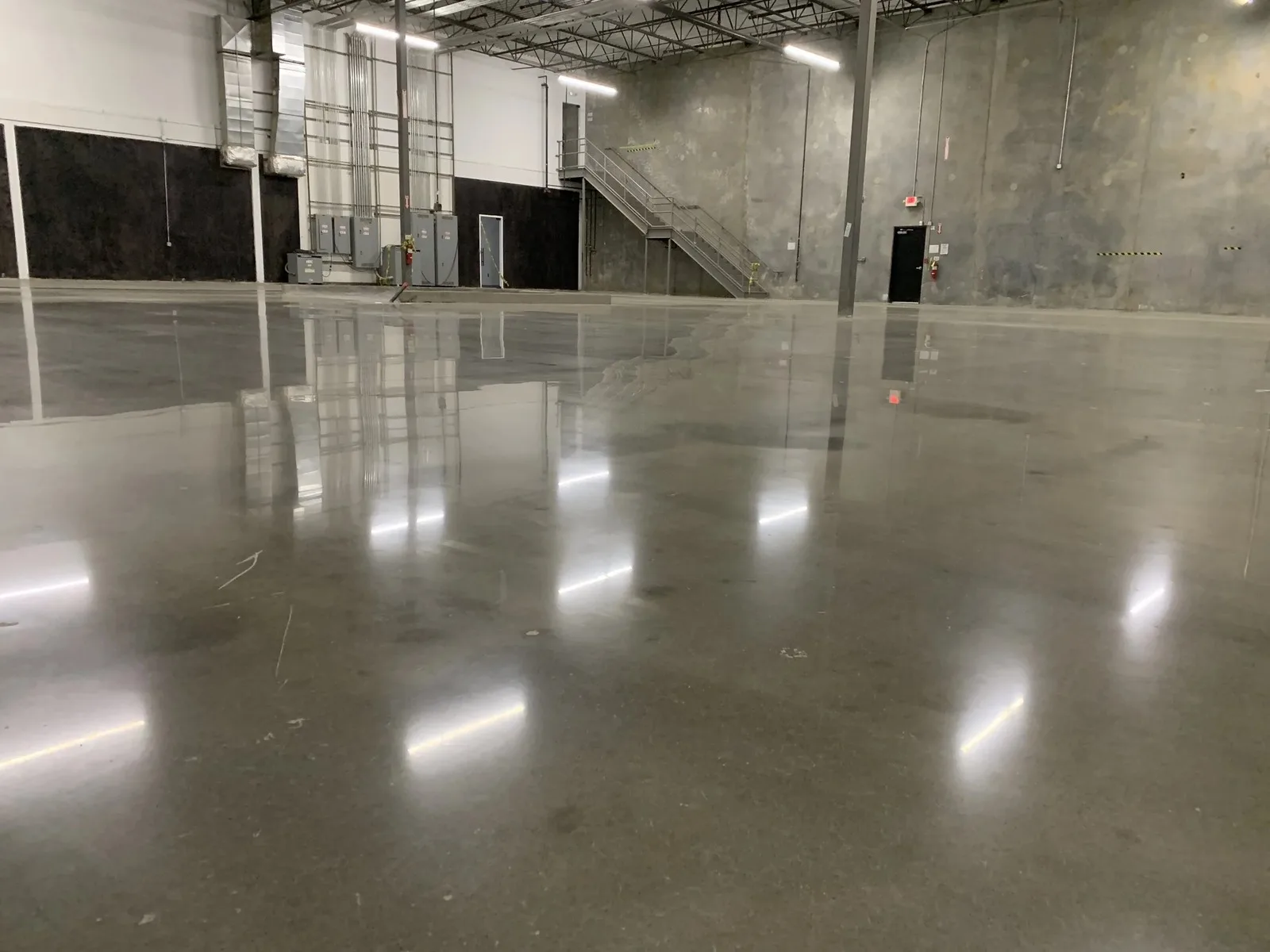
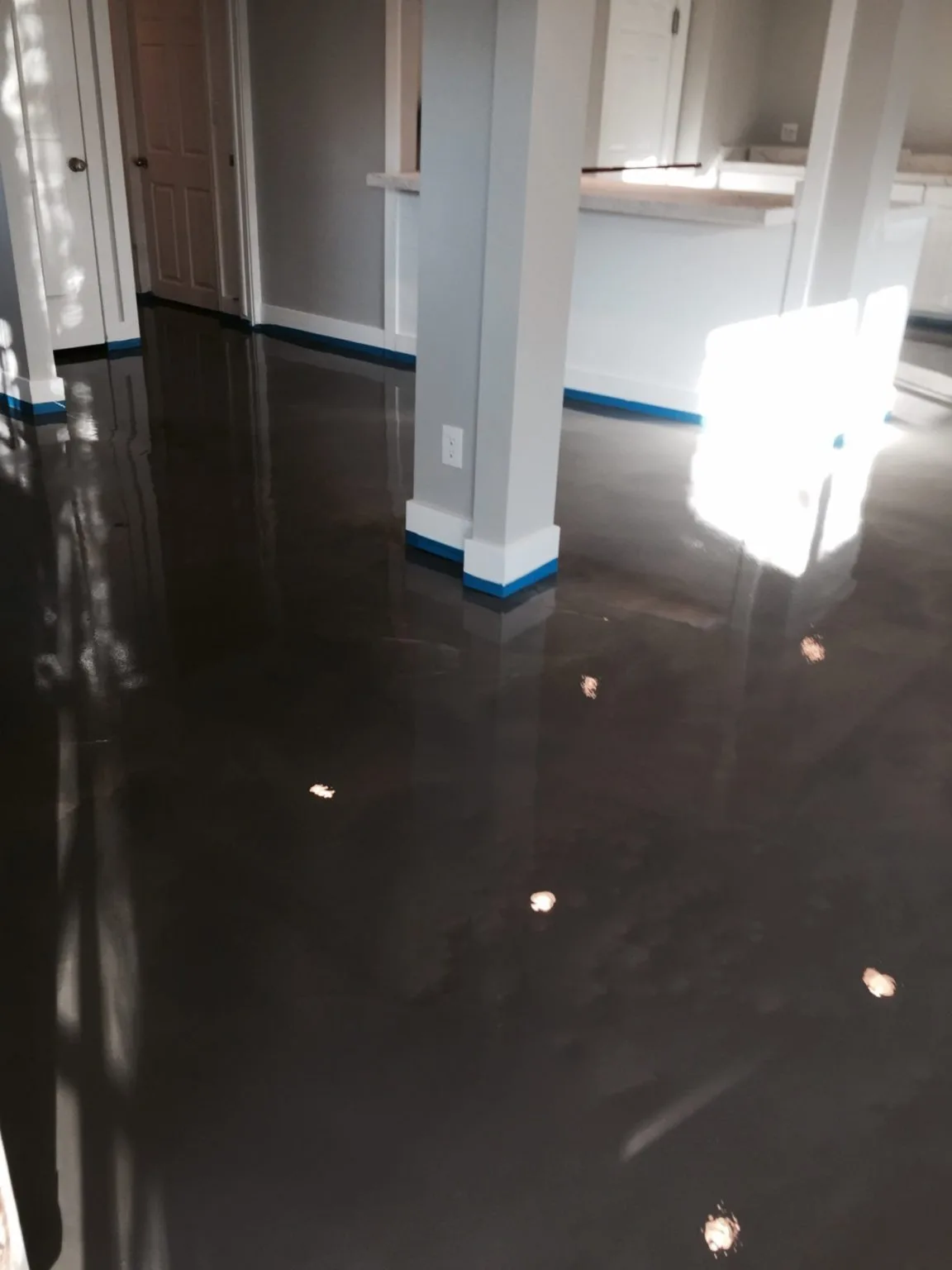
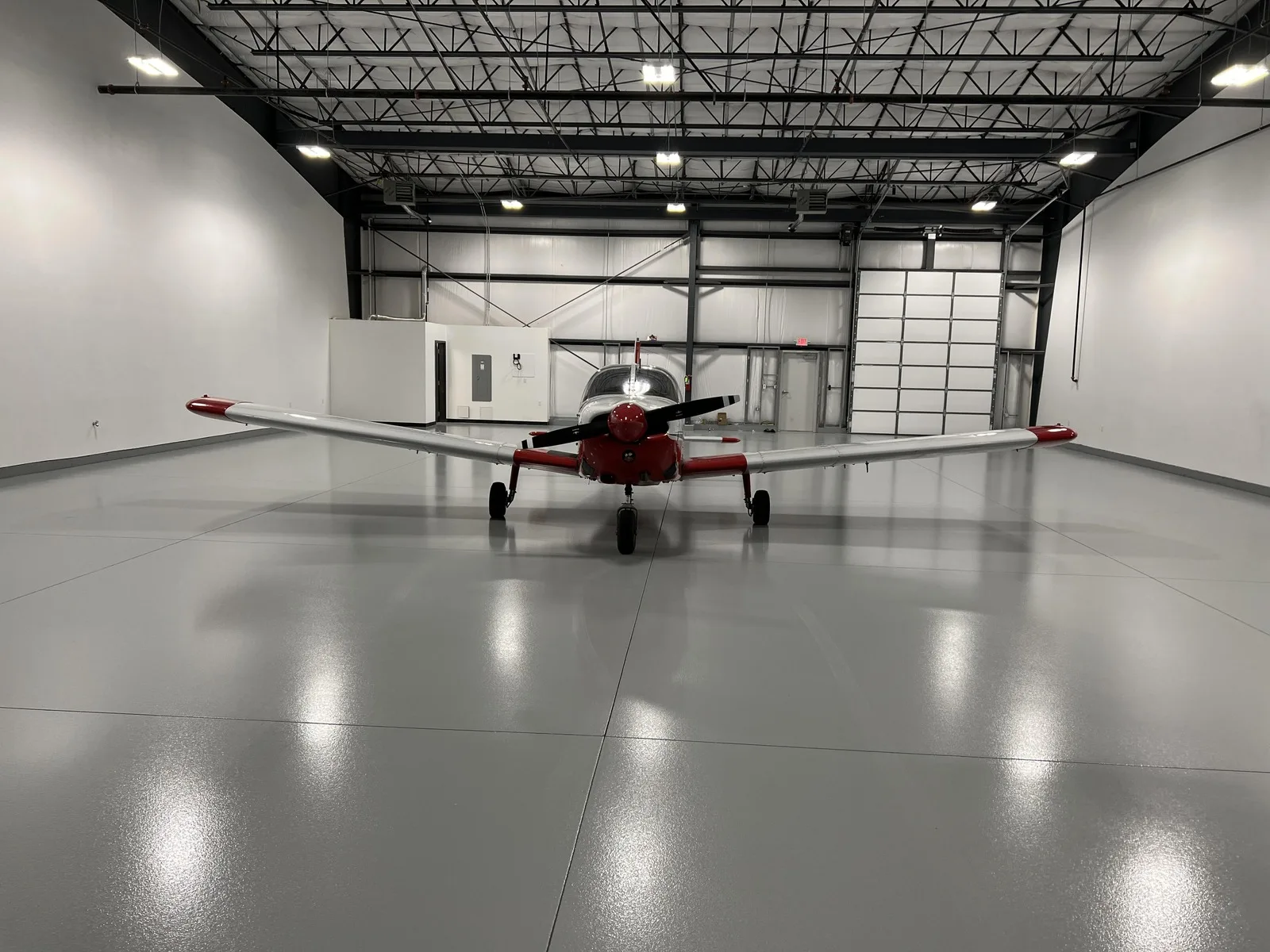
Gloss level is something you pick. We stop the grinding sequence at the shine you want. A matte or satin floor hides dust and scuffs, which suits a busy warehouse. A semi-gloss or high-gloss floor reflects the lights overhead and reads as a showroom. Aggregate exposure is a separate choice made in the first passes. Shallow grinding leaves a cream finish with almost no stone showing. Going deeper opens up salt and pepper speckling, or full stone if we cut further. We settle both choices with you before the first pass.
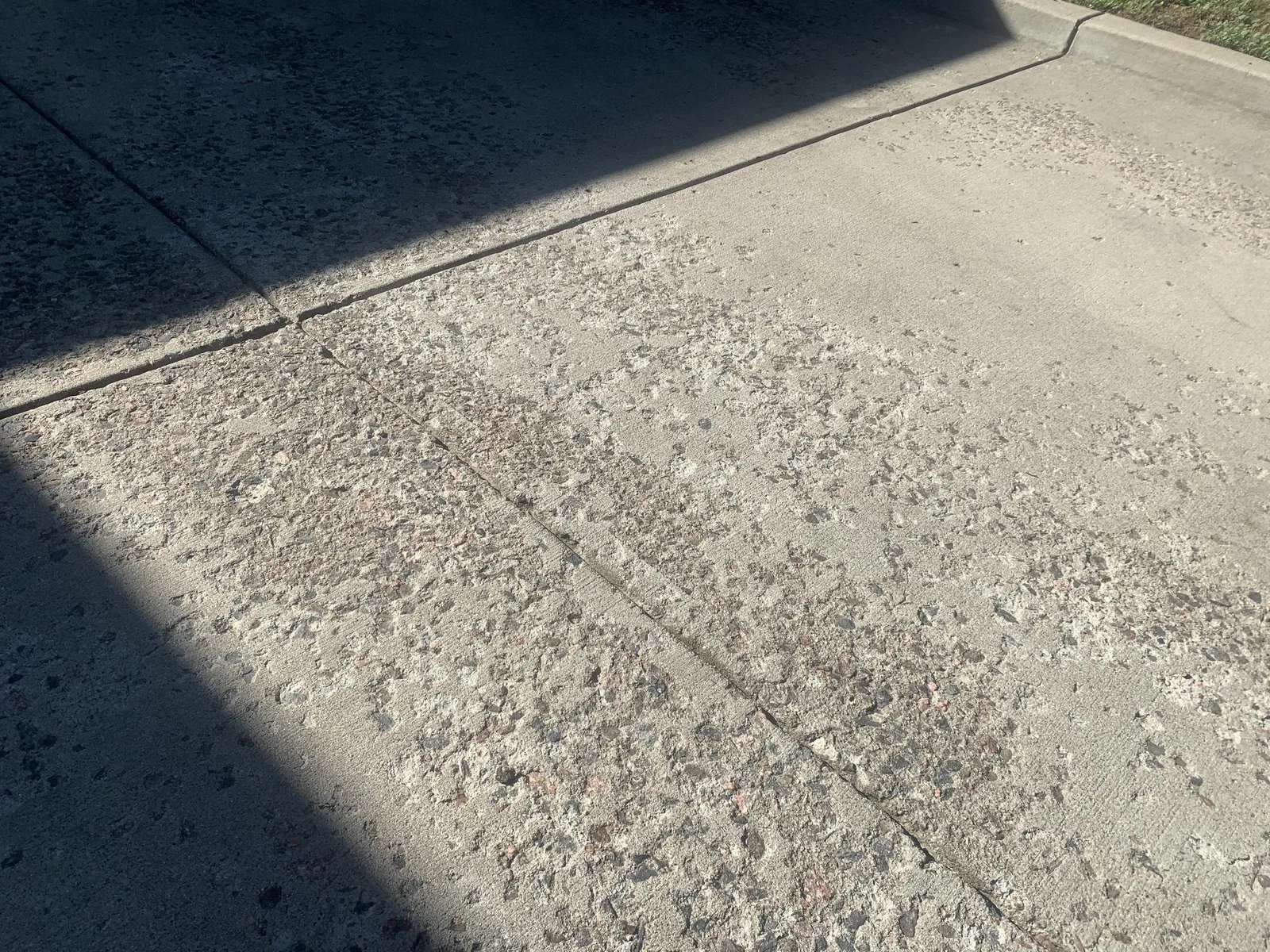
A slab polishes well when it is hard and flat, with the surface intact. Interior floors poured on grade are usually the best candidates. Soft concrete is the common problem, since a weak surface will not take a shine. Heavy pitting, spalling and pop-outs are another. Grinding cuts them wider before it cuts them away. Patches also show, because filler takes color and polish differently than the original mix. If your floor is chewed up, or you want a solid color, a coating is the better path. In those cases we usually point people toward an overlay that rebuilds the surface.
Polished concrete or epoxy: which is right for your floor?
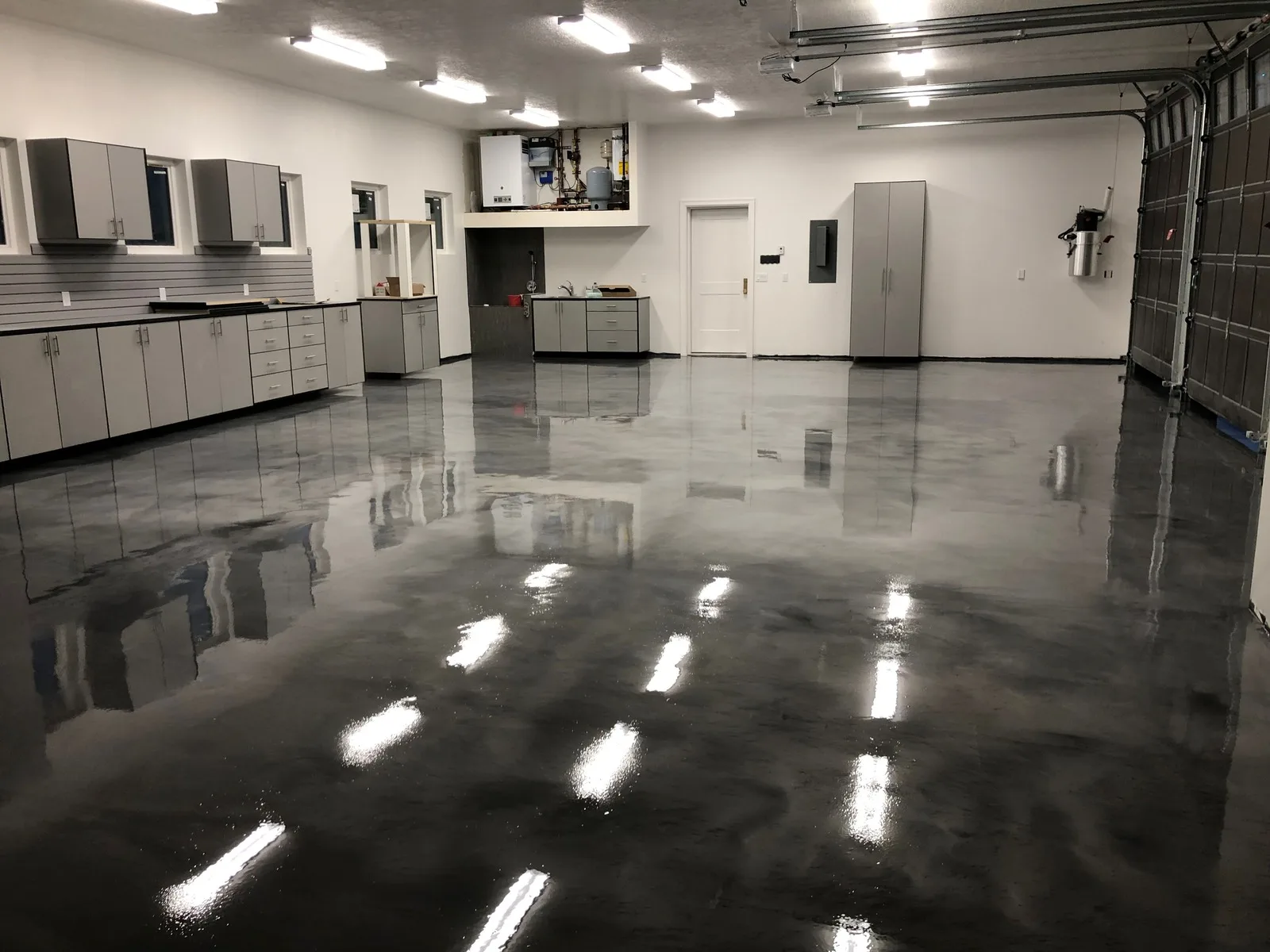
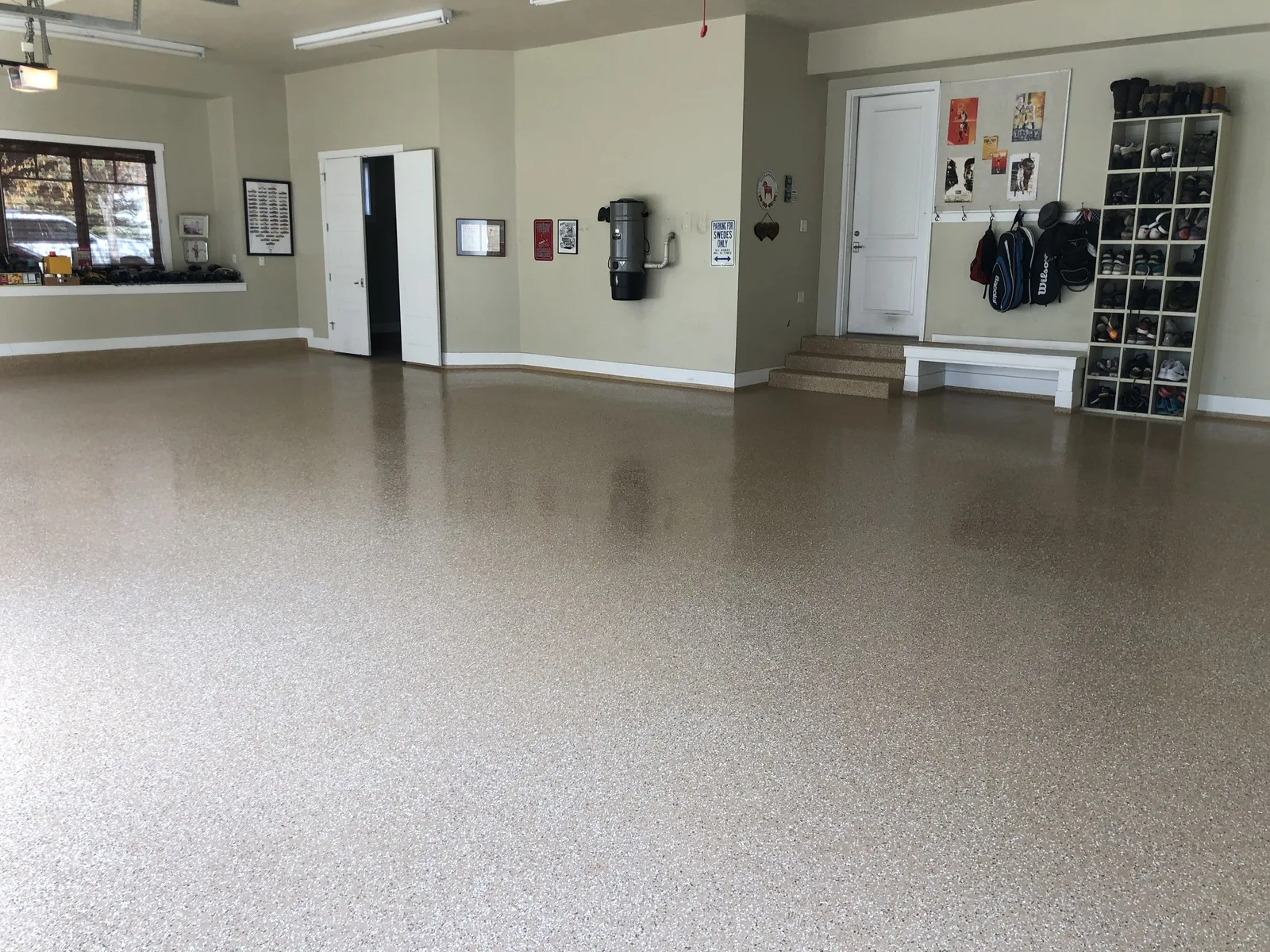
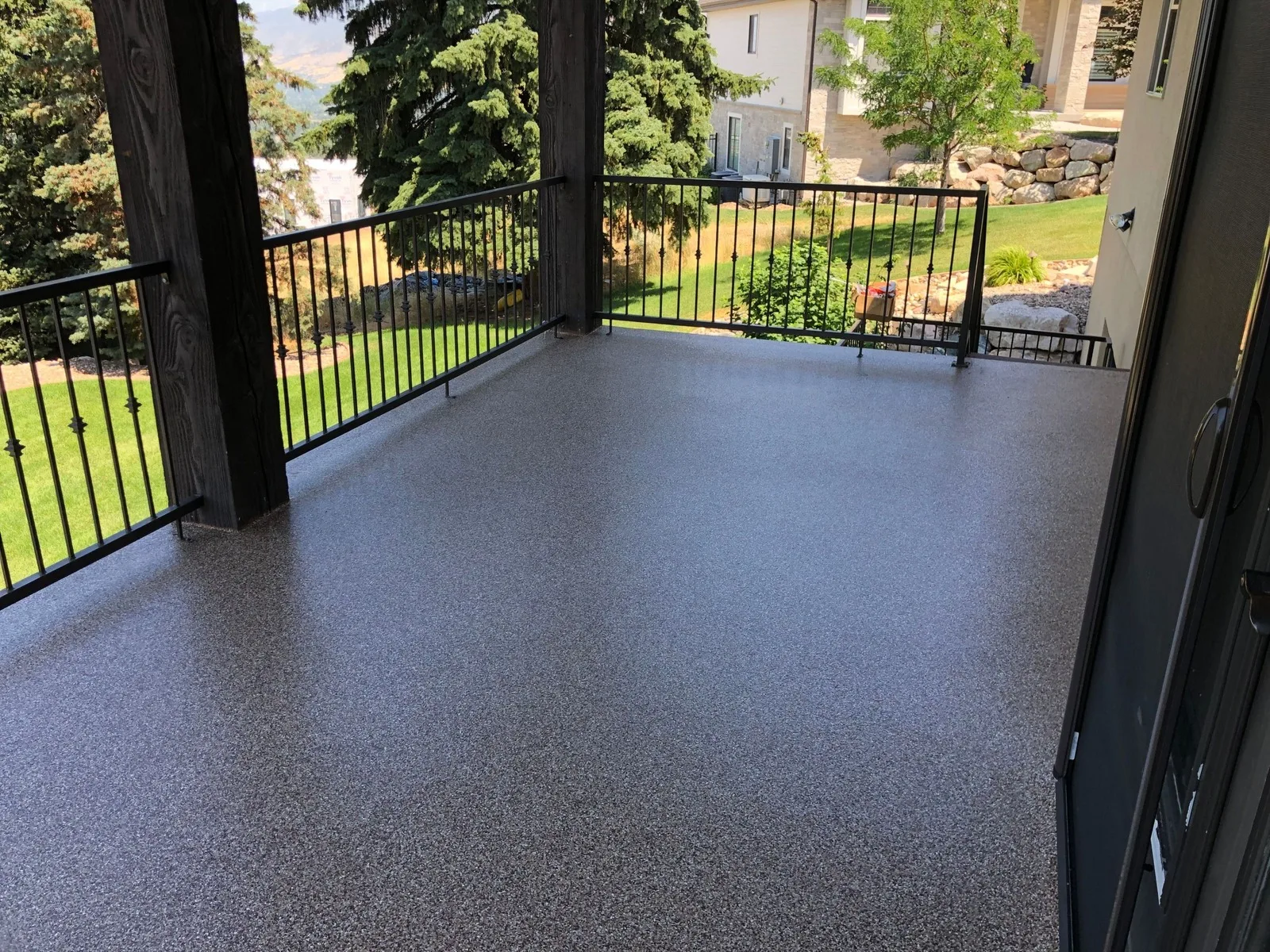
Polished concrete is the slab itself, ground and hardened. Epoxy is a separate layer bonded on top of the slab. That difference drives most of the decision. Polished concrete cannot peel, because there is nothing sitting on the surface to let go. It also handles forklift traffic and dropped tools without chipping. Epoxy gives you solid color, flake patterns and a seamless surface that wipes clean. It hides a slab that has seen better days, which polishing cannot do. Epoxy also blocks oil and chemicals better, so shops and food plants often lean that way. Our epoxy floor coatings page covers those systems.
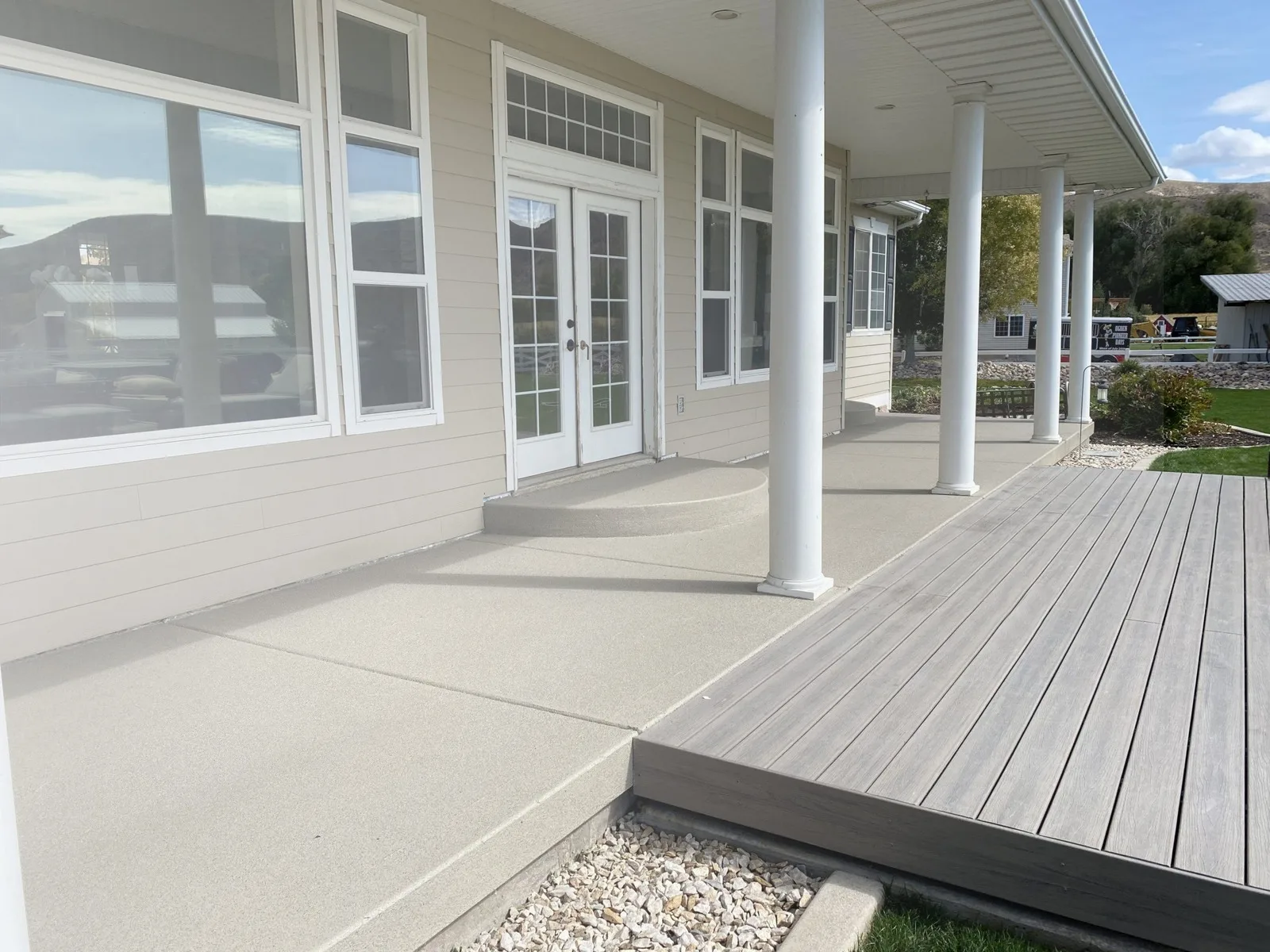
The choice usually comes down to the slab and how the room gets used. Pick polished concrete when the slab is sound and you like the look of stone. Maintenance is simpler over 10 years, since there is no film to strip and replace. Pick epoxy when the floor is damaged, when you want a specific color, or when chemicals get spilled. Garages are where epoxy usually wins, since road salt and hot tires are hard on bare concrete. Basements, warehouses, churches and retail floors go the other way more often. We will tell you which one fits after we see the slab.
What does concrete polishing cost in Utah?
Price comes down to a handful of things we can see on site. Square footage matters most, and larger floors cost less per foot because setup is spread out. Slab condition is next. A floor with cracks, patches or old glue takes more grinding before the polish starts. Gloss level changes the number of passes, so a high shine costs more than a matte finish. Exposed aggregate means cutting deeper, which adds tooling and time. Saw cuts, control joints and edge work around columns all add labor. Color from a dye or stain is an add-on as well.
The slab decides the price, so we quote after we see it. Estimates are free. We come out, look at the concrete, and tell you what the floor needs. Bring us the square footage and the age of the slab when you call. Our crews run from Ogden south through Salt Lake County, so most of the Wasatch Front is a short drive. That includes Salt Lake City, Bountiful, Farmington, Layton and Park City. Call (801) 347-4518 Monday through Friday, 8am to 5pm, and Paul will get you on the schedule.